


How-To & Maintenance
The Simple 3-Step Bike Maintenance Routine Every Cyclist Should Know
You don’t need a workshop full of tools to keep your bike running well. Most bike problems come from the same three things: dirt building up, dry chains, and small issues left too long. Fix those and you’ll ride further, spend less on repairs, and get more life out of your gear.
Here’s a routine you can follow in under 20 minutes, broken into three steps: clean, lubricate, protect.
Step 1: Clean
Dirt and grit are the main cause of chain and drivetrain wear. A build-up of grime acts like sandpaper on your chain, cassette, and derailleur every time you pedal. Cleaning regularly is the cheapest way to extend the life of your drivetrain.
What you need:
-
- A bike-specific wash to lift dirt without damaging paint or seals
- A degreaser for the chain, cassette, and derailleur
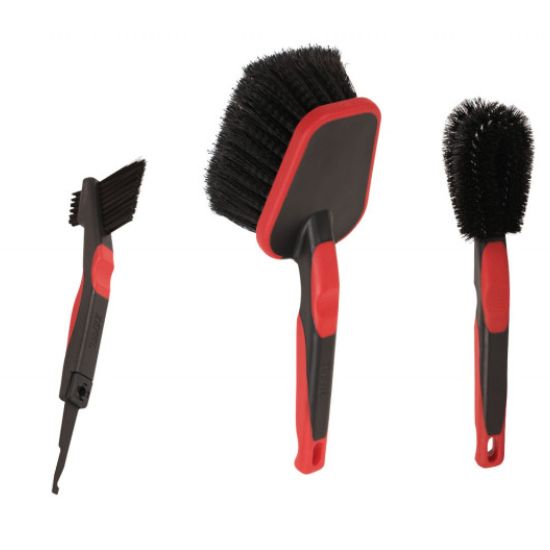
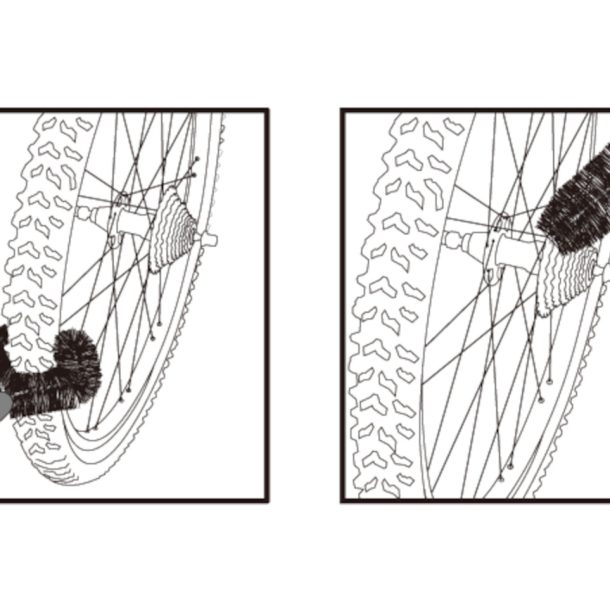
- A brush set to get into tight spots

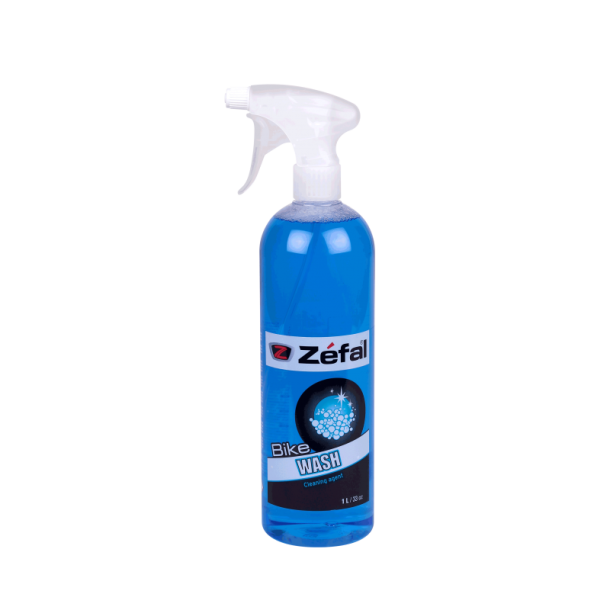

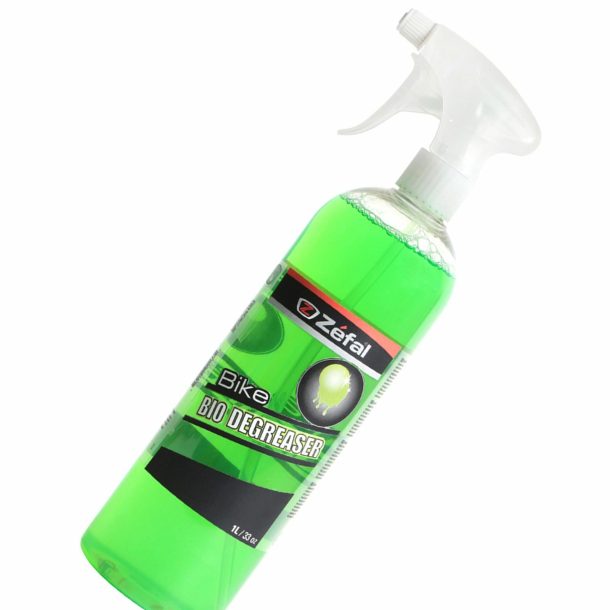
How to do it:
-
- Spray degreaser on the chain, cassette, and derailleur pulleys and let it sit for a minute
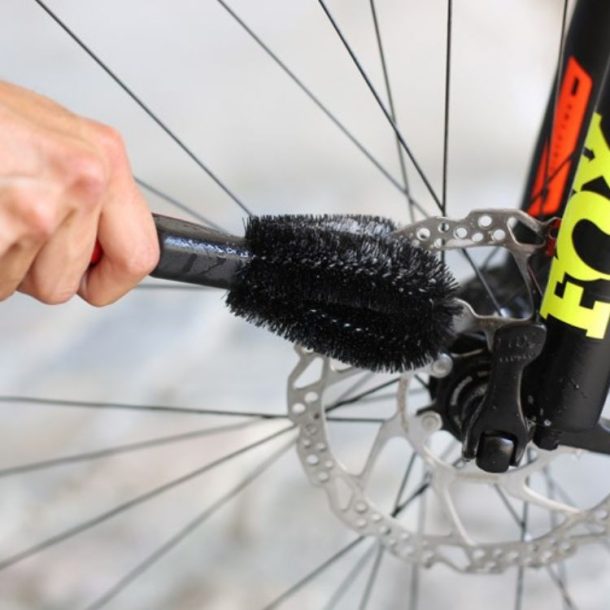
- Use a brush to work into the cassette and derailleur
- Rinse with bike wash and wipe dry
A dedicated brush set makes this faster and gets into spots a sponge can’t reach.



Step 2: Lubricate
Once your chain is clean and dry, it needs lube. Skip this step and you’ll hear it before you feel it: a dry chain squeaks, shifts poorly, and wears out fast.
There are two main types of chain lube:
-
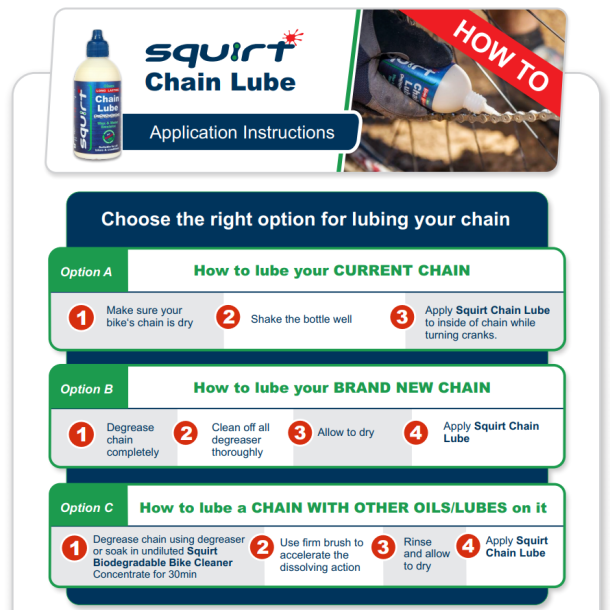
- Wax-based lube – goes on wet, dries hard, stays cleaner for longer. Good for most riders and all conditions.
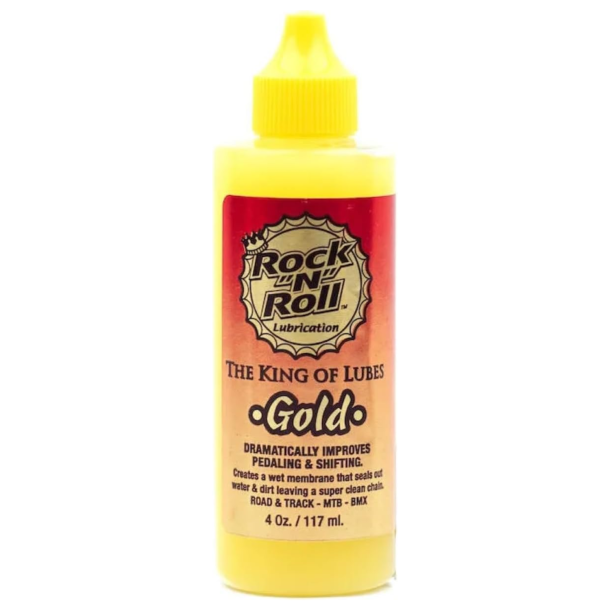
- Wet lube – stays tacky, better for wet weather or if you ride less often, but attracts more dirt.



If you’re on an e-bike, use a lube designed for the extra torque and load an e-bike puts through the drivetrain.
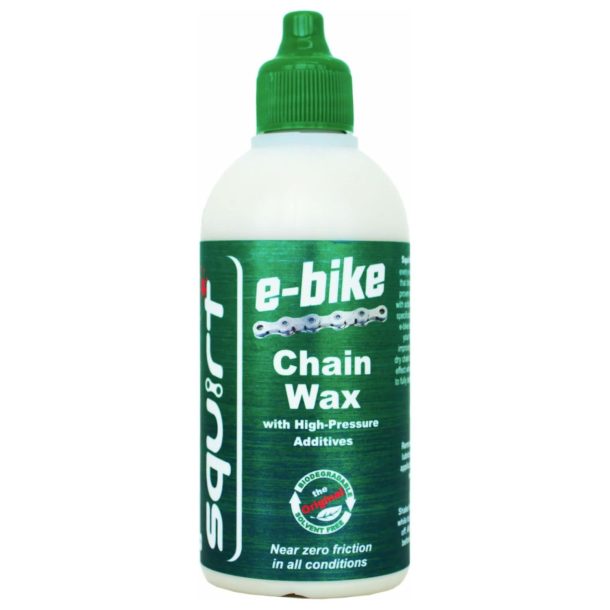

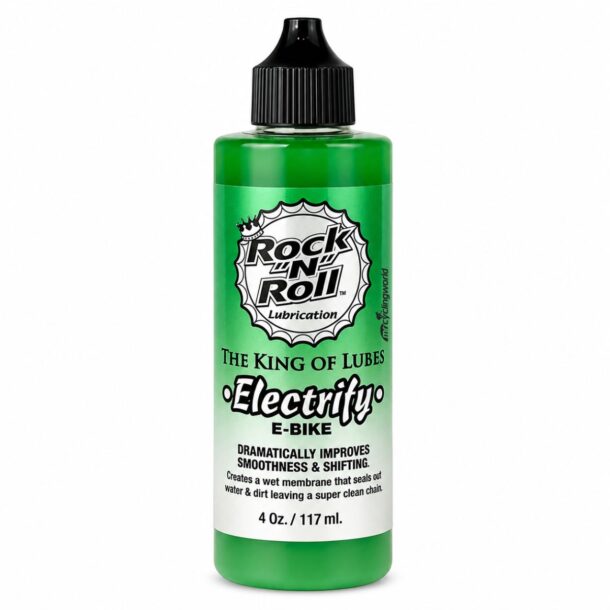
How to do it:
-
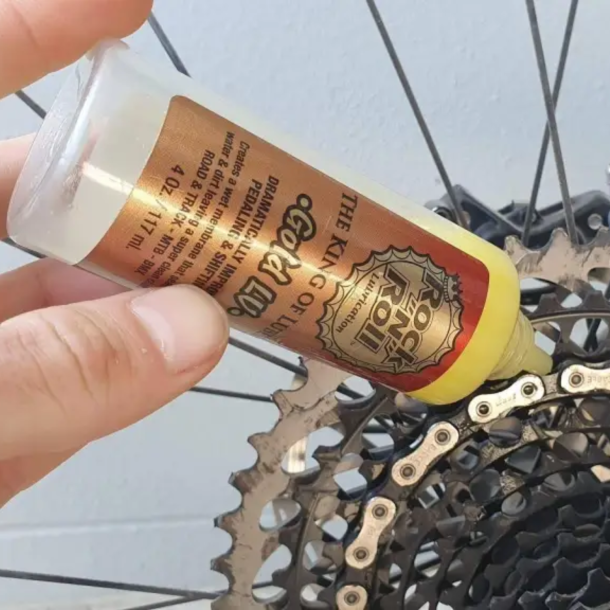
- Apply a drop of lube to each chain link while slowly pedalling backwards
- Let it sit for a few minutes
- Wipe off the excess with a clean rag. Excess lube just attracts more dirt
Step 3: Protect
The last step covers the parts people forget: brakes, bearings, and tyres. These don’t need attention every ride, but ignoring them leads to bigger repair bills down the track.
Disc brakes pick up oil and grime that cause squealing and reduced stopping power. A dedicated cleaner cuts through this without damaging the rotor or pads.
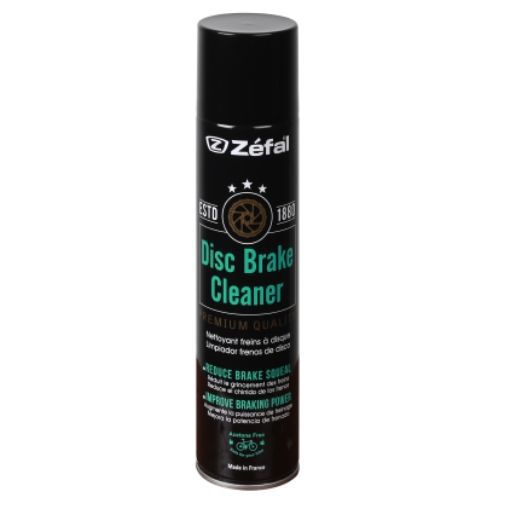
Grease protects threads, bearings, and moving parts from corrosion and wear. Worth having on hand for any bolt or bearing job.

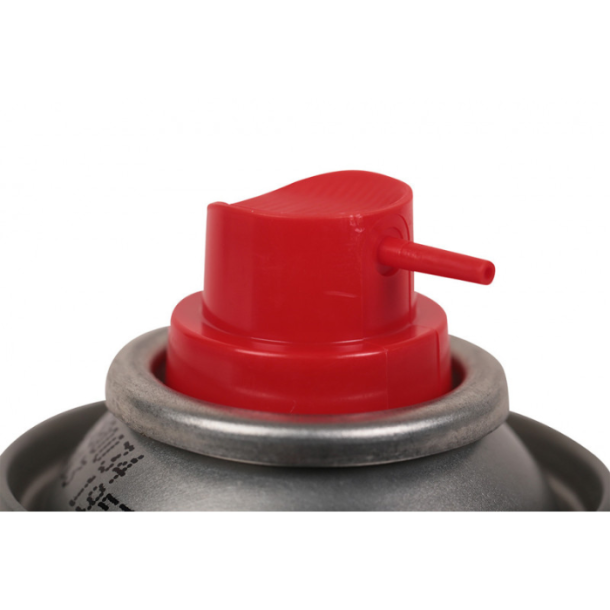
For quick jobs across degreasing, oiling, cleaning, and lubricating, an all-in-one spray covers most bases without needing four separate products.

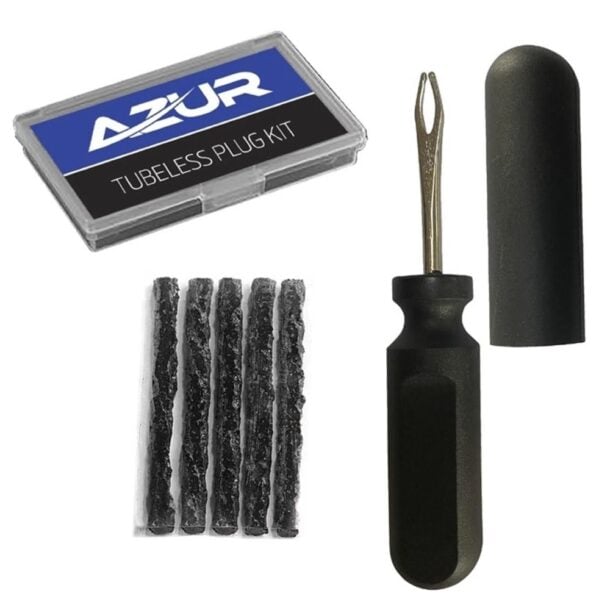
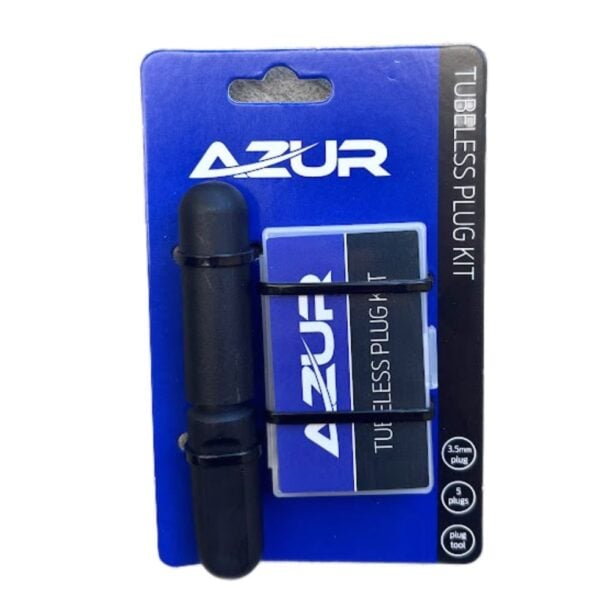
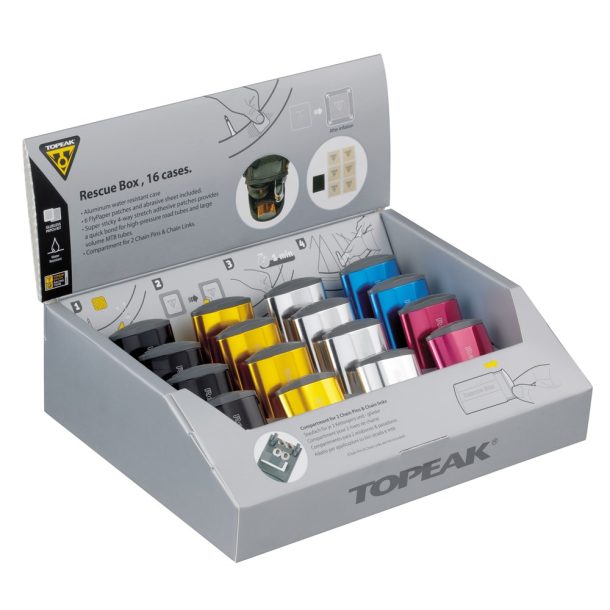
Tyres are the part most likely to let you down mid-cycling session. A patch kit and tubeless plug kit mean a flat doesn’t end your ride.


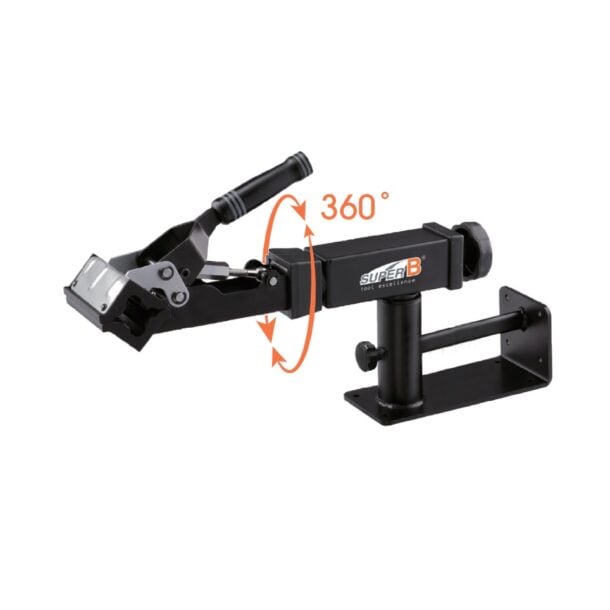
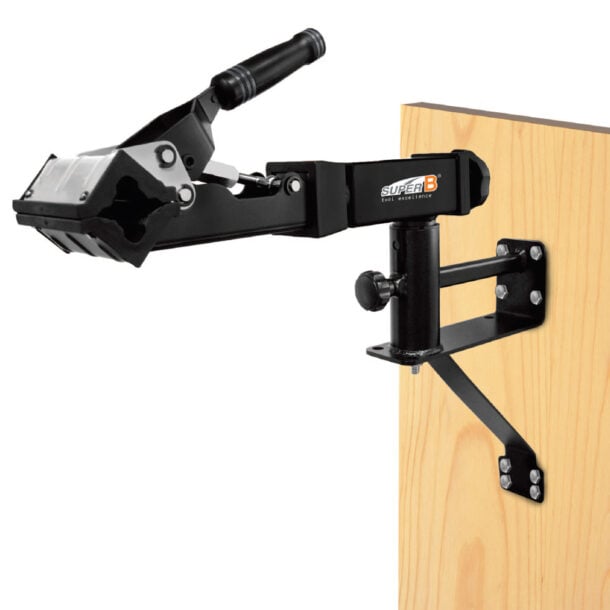
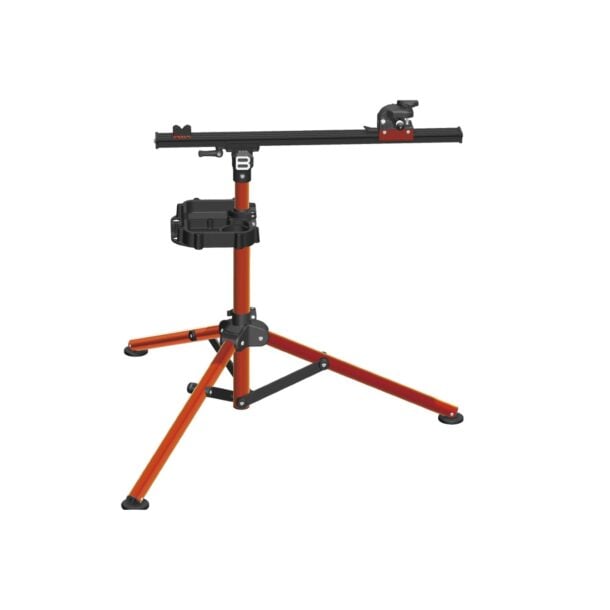
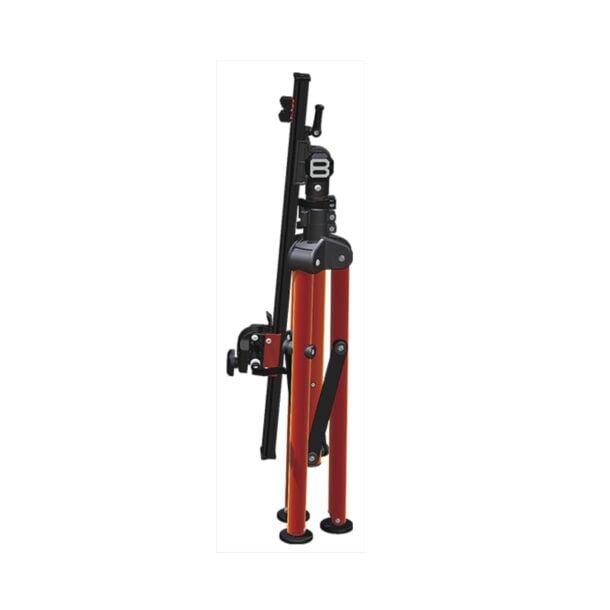
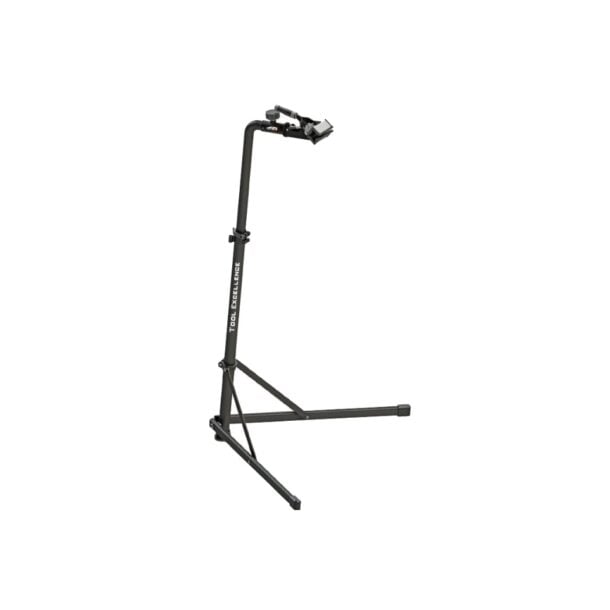
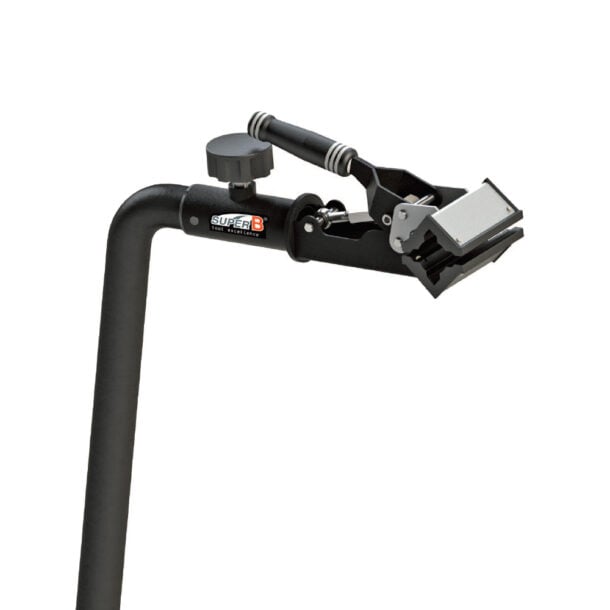
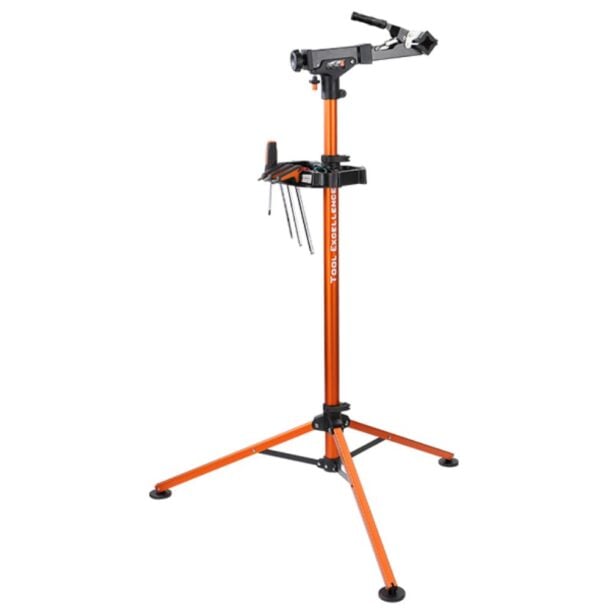
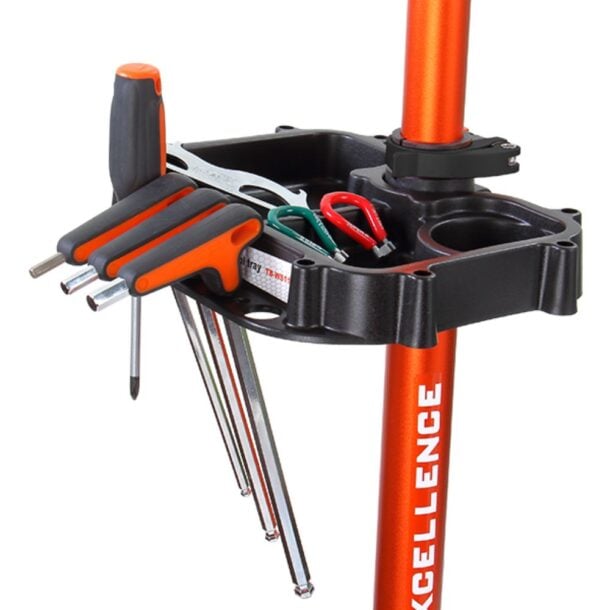
Make it easier with a repair stand
All three steps are easier with your bike off the ground and at a comfortable height. A repair stand holds the bike steady, spins the pedals freely for cleaning and lubing, and saves your back.


How often should you do this?
- Clean: every 1-2 weeks if you cycle regularly, or after wet or muddy rides
- Lubricate: every 100-200km, or when the chain starts to squeak
- Protect: check brakes and tyres monthly, grease bearings every few months
Stick to this routine and you’ll catch small issues before they become expensive ones.