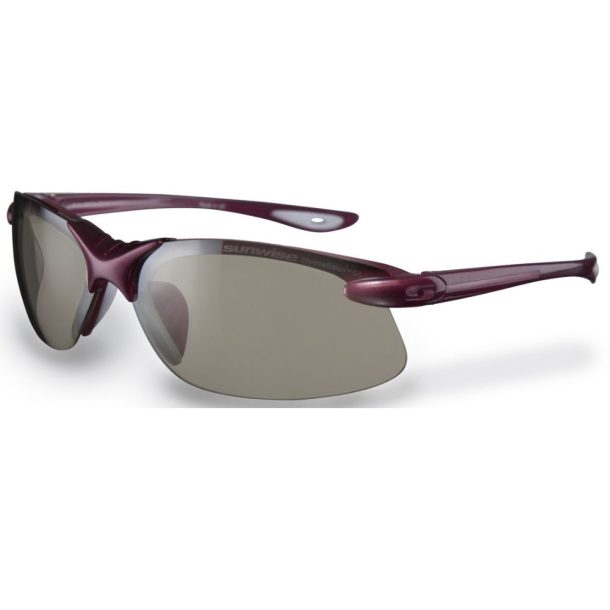
2026 LIGHTS SALE
Reduced daylight, increased savings

Photochromic sunglasses use light-reactive lenses that automatically adjust their tint based on UV levels, darkening in bright conditions and clearing when light drops. For cycling, this means consistent vision without stopping to change lenses.
This category includes cycling-specific photochromic sunglasses suited to road, gravel, and everyday riding. They are ideal for early morning starts, variable weather, and rides that move between open roads and shaded areas.
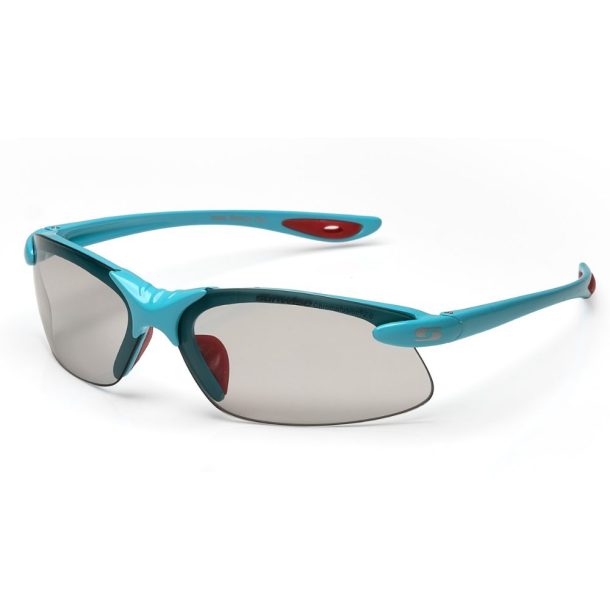

Photochromic sunglasses use lenses that react to ultraviolet light rather than visible brightness. As UV exposure increases, the lenses darken. When UV levels drop, such as in shade or overcast conditions, the lenses gradually return to a lighter tint. This allows one pair of sunglasses to adapt across a wide range of riding conditions.
Cyclists often experience rapidly changing light conditions due to weather, tree cover, time of day, and terrain. Photochromic lenses remove the need to carry spare lenses or stop mid-ride to swap them. They are particularly useful for winter riding, long endurance rides, and mixed road and gravel routes.
Photochromic lenses prioritise convenience and simplicity, adjusting automatically as conditions change. Interchangeable lens systems offer maximum control but require manual lens changes and carrying spares. Riders who prefer a set-and-forget solution often choose photochromic sunglasses, while those riding in extreme or predictable conditions may still prefer interchangeable lenses.
Photochromic sunglasses are well suited to:
Yes. Photochromic lenses react to UV exposure, not direct sunlight, so they continue to adjust even in overcast conditions.
Transition speed varies by lens technology and temperature. Most modern cycling photochromic lenses adjust within seconds to a few minutes.
Some photochromic lenses clear enough for low-light use, but not all are suitable for full darkness. Always check the minimum light transmission of the lens.
Most do not darken fully behind windscreens because automotive glass blocks UV light. This does not affect cycling use.
Yes. They are particularly popular for road and gravel riding due to constantly changing light conditions.